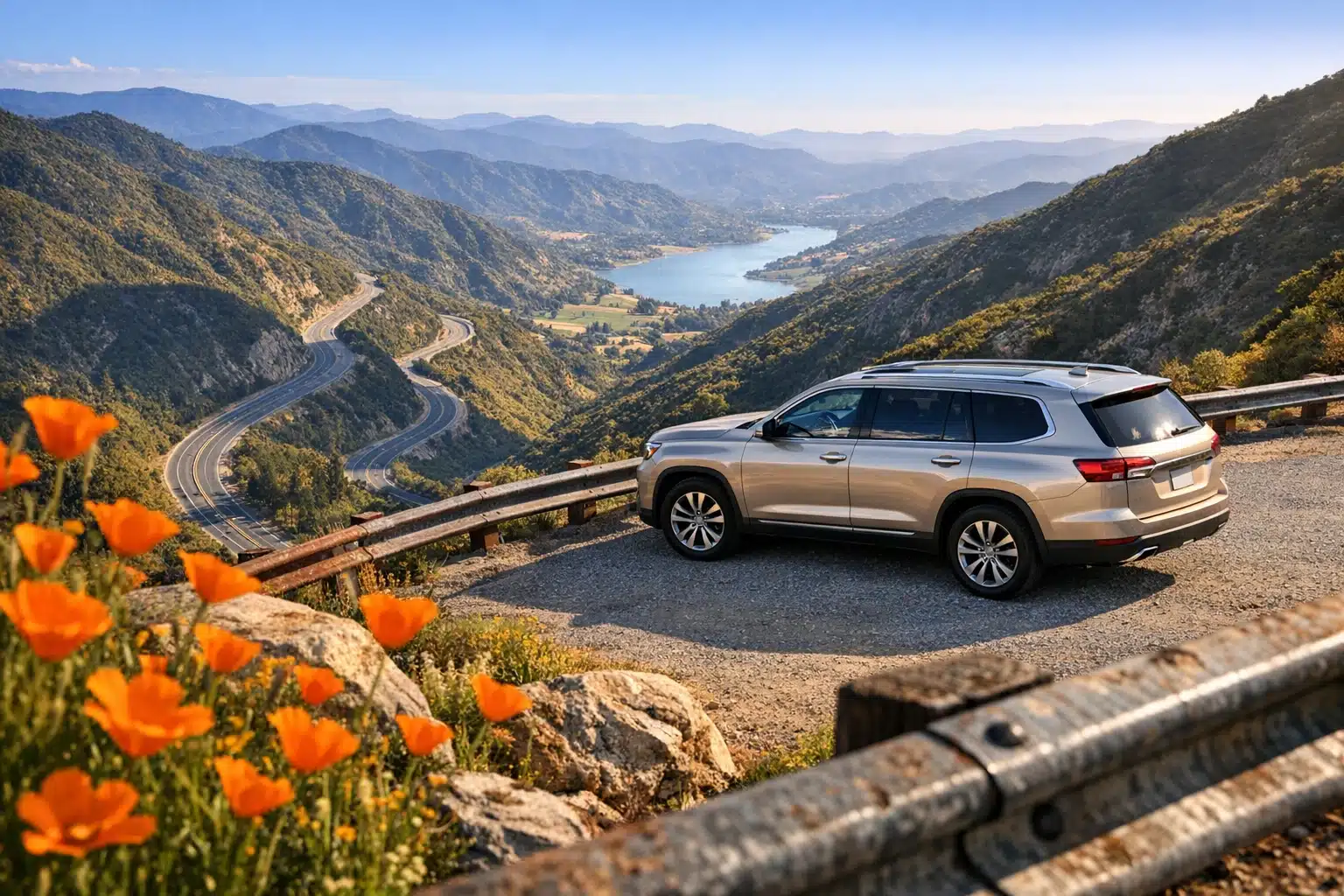
 Artificially generated image
 How to Find the Best 2026 Grand Highlander Deal
Shopping for a 2026 Grand Highlander can feel simple at first glance, yet the real value of an offer depends on far more than the sticker on the window. Trim choice, financing terms, trade-in timing, dealer fees, accessories, and regional inventory all influence what you actually pay. That is why a smart buying plan matters before a test drive ever begins. The guide below maps out the process step by step so you can compare offers clearly, avoid common cost traps, and choose a family SUV deal with confidence.
Outline: What a Great 2026 Grand Highlander Deal Really Looks Like
Before diving into prices and negotiation tactics, it helps to define the destination. A great 2026 Grand Highlander deal is not automatically the lowest advertised figure in a search result. It is the combination of the right vehicle, a competitive out-the-door price, sensible financing or lease terms, and ownership costs that fit your household budget after the excitement of purchase day fades. That matters because three-row SUVs are usually bought for practical reasons: family road trips, school runs, sports gear, grocery hauls, and the occasional weekend escape where everyone brings one bag too many. A deal only feels good if the vehicle truly fits those needs.
A useful outline for this shopping process looks like this:
• Choose the trim, powertrain, and must-have features before you contact dealers.
• Learn the difference between MSRP, dealer discount, destination charge, taxes, fees, and add-ons.
• Collect written quotes from multiple sellers and compare out-the-door totals rather than monthly payments alone.
• Review financing, lease options, and trade-in offers as separate parts of the transaction.
• Negotiate the final paperwork carefully and walk away from extras you did not ask for.
That outline may sound basic, but it keeps buyers from wandering into the most common trap: focusing on one number while three others quietly grow in the background. Imagine two offers on a similar Grand Highlander. Dealer A advertises a lower selling price, then loads the contract with overpriced accessories, a high documentation fee, and an expensive loan. Dealer B starts slightly higher, removes unnecessary packages, and offers a better interest rate through a credit union match. On paper, the “cheaper” SUV can easily become the more expensive one over five years.
This article follows that road map in order. First, it explains how pricing works and how trims affect value. Then it looks at where to shop, including regional searches and late-model alternatives. After that, it breaks down financing, leasing, and trade-in strategy. Finally, it covers negotiation, timing, and the final contract review. If buying a vehicle sometimes feels like trying to read a map in the rain, think of this section as the moment someone hands you a dry one and points toward the right lane.
Understanding Pricing, Trims, and the True Cost of Ownership
To find the best 2026 Grand Highlander deal, you need to understand what you are paying for before you compare stores. The first layer is the vehicle itself: trim level, engine or hybrid setup, drivetrain, interior package, and standalone options. Depending on market availability and Toyota’s current model-year plans, shoppers may see familiar trim names and a mix of gasoline or hybrid configurations. The exact lineup can vary, so the safest move is to verify current specifications on the manufacturer site and with local dealers. A lower trim with the right safety and comfort features can be a better purchase than a higher trim packed with items you will rarely use.
Next comes pricing language. MSRP is the manufacturer’s suggested retail price, not the automatic amount you must pay. Destination is a separate charge on new vehicles and, for modern three-row SUVs, it often runs above $1,000. Then there are dealer-installed items such as all-weather mats, tint, wheel locks, paint protection, nitrogen tire packages, or security etching. Some buyers want those products; many do not. What matters is whether they are optional, competitively priced, and clearly disclosed. After that come the unavoidable items: sales tax, title, registration, and government fees. Documentation fees vary widely by state and dealer, from modest sums to several hundred dollars.
A cleaner way to compare offers is to work from the out-the-door number. In simple terms, the formula looks like this:
• Vehicle price after discount
• Plus destination
• Plus dealer-installed options you actually want
• Plus documentation and state fees
• Plus tax
• Minus rebates, incentives, or trade equity
Here is a hypothetical example. Suppose a Grand Highlander has an MSRP of $50,000 and a destination charge of $1,400. One dealer discounts the vehicle by $1,500 but adds $2,000 in accessories, a $700 documentation fee, and typical taxes and registration. Another dealer discounts the same SUV by only $800, charges a $250 documentation fee, and leaves accessories off. The second deal could easily be cheaper out the door, even though the headline discount looks smaller.
Ownership cost matters too. Fuel economy differences between gas and hybrid versions can add up over years, especially for families who drive long suburban routes. Insurance premiums can vary by trim and ZIP code. Tire replacement, maintenance plans, and depreciation also influence value. When you evaluate the 2026 Grand Highlander, ask not just, “What is the purchase price?” but also, “What will this vehicle cost me over the next 48 to 72 months?” That question tends to separate a shiny offer from a truly smart one.
Where to Shop: Dealer Networks, Online Quotes, and Strong Alternatives
Once you know which version of the Grand Highlander fits your needs, the next step is choosing where to shop. Many buyers start with the closest dealer because it feels convenient, but convenience and value are not always close neighbors. Inventory levels, pricing strategies, and accessory practices can vary sharply even within the same metro area. One store may specialize in high-volume sales and give quick internet quotes, while another leans on showroom negotiation and added packages. Expanding your search radius can change the result dramatically. Looking 100 to 250 miles away may uncover a better-equipped vehicle, a fairer out-the-door number, or simply a dealer willing to compete for your business.
Online research is especially helpful here. Instead of asking vague questions over the phone, request written quotes by email or through the dealer’s website. Ask for the exact stock number or VIN, selling price, destination charge, dealer-installed accessories, documentation fee, and estimated out-the-door total based on your ZIP code. That format reduces confusion and makes it harder for a great “starting price” to melt away when you arrive. It also gives you a paper trail you can compare side by side. Dealers do not need to offer the exact same number to be worth considering, but the structure of the quote should be equally transparent.
A solid message to every dealer can include these points:
• The trim and color you want
• Whether you need all-wheel drive
• Whether you are paying cash, financing, or considering a lease
• Whether you have a trade-in
• A request for the full out-the-door breakdown in writing
It is also wise to consider nearly new alternatives if the 2026 model commands a premium in your area. A certified pre-owned or dealer-demo Grand Highlander from a recent model year can offer lower depreciation, remaining factory coverage, and many of the same features. If a 2026 unit is scarce or comes with little discount, a low-mileage earlier example may be the value play. Families who care more about space, safety, and reliability than about owning the newest badge on the lot should at least compare the numbers.
Cross-shopping rivals can strengthen your position too. Comparable three-row SUVs from Honda, Kia, Hyundai, Mazda, and others may not replace the Grand Highlander in your mind, but they help you judge market value. If another vehicle offers similar equipment for less, that information gives you leverage. The point is not to bluff. It is to understand the landscape. When you step into a dealership already knowing what similar money buys elsewhere, the conversation changes. You are no longer browsing; you are evaluating.
Financing, Leasing, and Trade-In Strategy That Changes the Final Number
For many shoppers, the vehicle price gets all the attention while the financing quietly shapes the long-term cost. That is a mistake. A fair discount can be undone by a weak loan, and a small price difference can matter less than a lower interest rate over several years. Before visiting a dealership, get preapproved through a bank, credit union, or trusted online lender. Preapproval gives you a benchmark. You may still finance through the dealer if they can beat the offer, but you are no longer negotiating in the dark. Think of it as bringing your own flashlight into the finance office.
Loan term matters almost as much as APR. A longer term lowers the monthly payment, which is why it is often used as a sales tool, but it usually increases total interest. For example, financing $45,000 at roughly 6 percent for 60 months produces a much higher monthly payment than stretching it to 72 months, yet the shorter loan generally saves meaningful interest over time. Exact figures depend on taxes, down payment, and lender rules, but the pattern is consistent: lower payment does not automatically mean better deal. If the budget allows it, a shorter term can reduce total cost and help you build equity faster.
Leasing deserves a separate evaluation. On a Grand Highlander, a lease payment depends on more than MSRP. The negotiated selling price, residual value, money factor, mileage allowance, and amount due at signing all matter. A low advertised lease can hide a substantial upfront payment or strict mileage limits. Ask for these details in writing:
• Selling price used in the lease calculation
• Residual percentage or value
• Money factor or lease rate
• Allowed miles per year
• Total due at signing
• Disposition fee at lease end
Trade-ins deserve their own lane in the negotiation. Get outside appraisals before you visit the dealer, whether from local used-car buyers, online valuation services, or competing stores. That gives you a realistic floor for your current vehicle’s value. If you mix the trade, the new car price, and the finance payment into one big conversation, it becomes harder to see where money is being gained or lost. Keep those parts separate until each one is clear. Also watch for negative equity if you still owe more than the trade is worth, because rolling that balance into the next loan can make a decent deal feel heavy for years.
Finally, read the finance menu slowly. Extended warranties, prepaid maintenance, GAP coverage, wheel-and-tire protection, and cosmetic plans can be useful for some buyers, but they are not automatically bargains. Ask the price, the term, the coverage details, and whether the product can be purchased later. A calm five-minute review here can save hundreds or thousands. The signature line will still be there once the numbers make sense.
Negotiating, Timing, and a Final Plan for Family SUV Shoppers
Negotiation does not have to be dramatic to be effective. In fact, the strongest approach is usually simple, polite, and stubbornly clear. Start with written quotes and compare them using one standard: the complete out-the-door number on a similarly equipped 2026 Grand Highlander. If a dealer wants to talk only in monthly payment, steer the discussion back to price, fees, and financing rate. Monthly payment can be adjusted by changing term length, down payment, or lease structure, which is why it is easy to manipulate. A buyer who focuses on the total transaction stays in control.
Timing can help, though it is not magic. Dealers may be more flexible at the end of the month, the end of the quarter, or during periods when inventory has been sitting. A model-year change can also create opportunity if incoming units make current stock less urgent to keep. At the same time, high-demand trims with limited supply may not see much discount at all. That is why timing works best when paired with comparison shopping. If one dealer says a particular Grand Highlander is rare and must be sold near sticker, check whether several nearby stores are saying the same thing. If they are not, the market may be telling a different story.
A practical closing checklist looks like this:
• Confirm the VIN, trim, drivetrain, and option package
• Review the full out-the-door number line by line
• Remove accessories you did not request
• Match the APR, loan term, or lease terms to your written agreement
• Verify trade-in credit and payoff amount
• Read any optional products before agreeing to them
• Check delivery condition before driving away
There is also value in being willing to leave. Buyers often feel that walking away means the day was wasted, but sometimes it is the smartest move in the building. If numbers change without explanation, if promised fees suddenly appear, or if pressure replaces clarity, step back. Good deals survive careful questions. Weak deals depend on hurry.
For family SUV shoppers, the goal is not to win a theatrical showdown. It is to buy the right Grand Highlander at a fair total cost, with financing that supports daily life instead of squeezing it. The best 2026 Grand Highlander deal usually goes to the buyer who prepares early, compares widely, and keeps each piece of the transaction visible. Do that, and the purchase becomes less of a maze and more of a measured decision, which is exactly how a big, practical vehicle should enter your driveway.