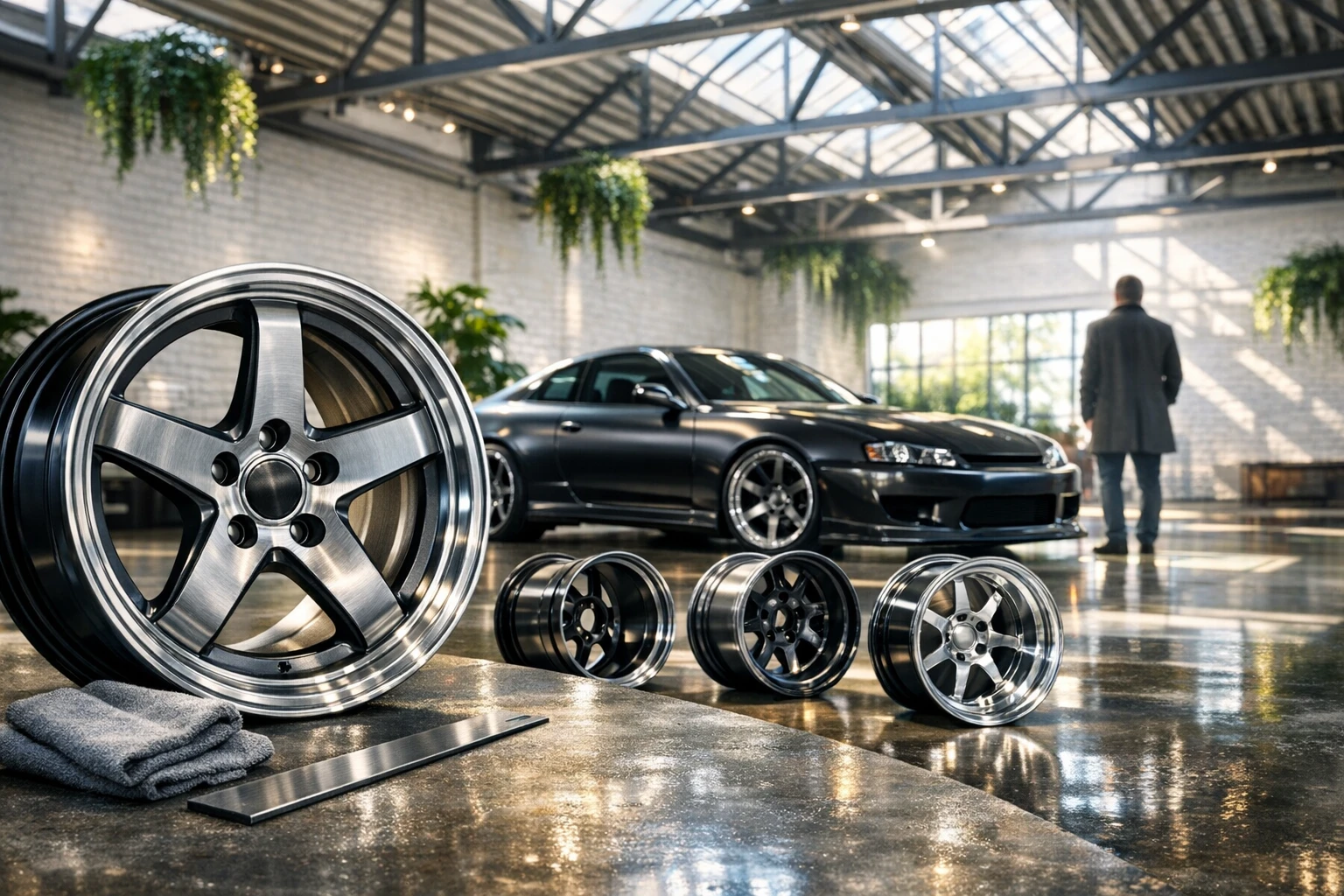
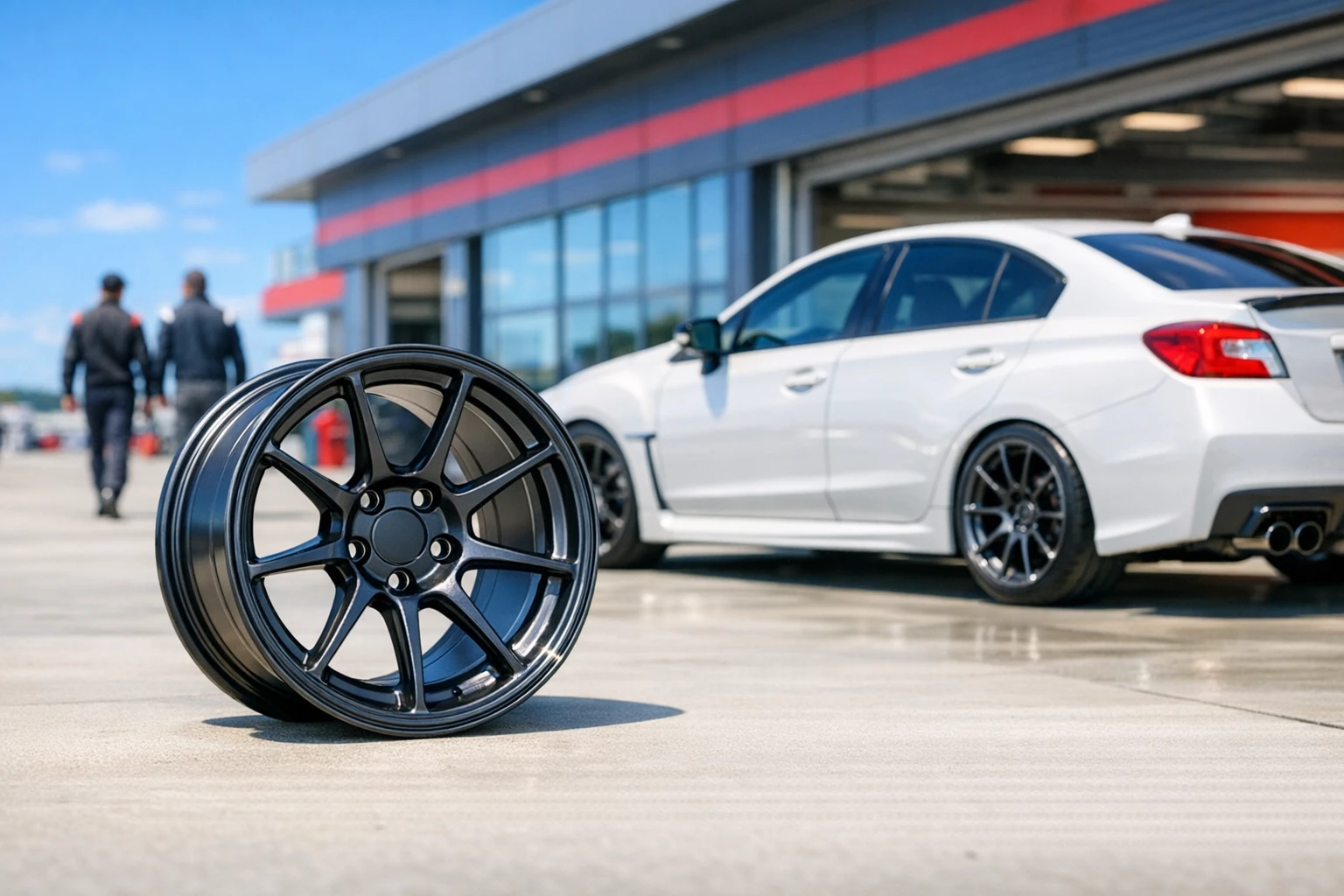
 Artificially generated image
 Everything You Need to Know About Buying Second-Hand Rims for Your Vehicle
Introduction
Buying second-hand rims can feel a bit like treasure hunting: one listing promises a bargain, another hides a headache under fresh paint. For drivers who want to improve style, replace damaged wheels, or save money without cutting corners, the used market is worth understanding. A smart purchase starts with fitment, condition, and source, not just looks. Learn the basics now, and you can avoid expensive mistakes later.
Article Outline
- Why second-hand rims can be a smart buy and when they are not
- The technical details that determine whether a rim will actually fit your vehicle
- How to inspect used rims for cracks, bends, corrosion, and poor repairs
- Where to buy, how to compare prices, and how to negotiate with confidence
- Installation, maintenance, and final advice for drivers who want value without risk
1. Why Buying Second-Hand Rims Can Be a Smart Choice
Second-hand rims appeal to drivers for one simple reason: they can deliver a lot of value for less money. New wheels, especially OEM alloy rims or premium aftermarket designs, can be expensive enough to turn a simple replacement into a serious purchase. In contrast, used rims often sell for noticeably less, sometimes around 30 to 60 percent below the price of a new equivalent, depending on brand, condition, finish, and local demand. That price gap is the reason many practical buyers start scanning classifieds, salvage yards, wheel shops, and online marketplaces the moment they hear the word “replacement.”
Cost, however, is only the beginning. A used set can also be the easiest way to find a matching wheel for a vehicle that already has one damaged rim. If your car came with a factory design that is no longer widely stocked, the second-hand market may be your best route. This matters for drivers who want to preserve original styling, avoid mixing wheel designs, or maintain resale value. On older cars, buying a clean used OEM rim often makes more financial sense than buying a new aftermarket wheel that changes the look and sometimes the ride quality.
There are practical lifestyle benefits too. Some buyers want a second set of rims for winter tires, which saves time and money during seasonal tire changes. Others want a spare set for track days, off-road use, or a cosmetic upgrade without paying showroom prices. In that sense, used rims are not just parts; they are a flexible solution that lets owners adapt their vehicles to different needs.
That said, second-hand rims are a smart choice only when the buyer stays disciplined. A great-looking wheel in photos can still be bent, cracked, welded, or poorly refinished. Savings disappear quickly if you need repairs, balancing work, or replacement after installation. Before buying, weigh the benefits against the risks:
- Lower upfront cost compared with new rims
- Access to discontinued OEM wheel styles
- Useful for winter tire sets or backup wheels
- Possible hidden damage that is not visible in casual photos
- Potential mismatch in size, offset, or load rating
The used wheel market rewards careful buyers, not impulsive ones. Think of it like shopping for a jacket at a vintage store: the right piece can feel like a lucky find, but only if the seams still hold. When you understand what you are looking at, second-hand rims can be a practical upgrade, a cost-saving repair, or a clever way to stretch your car budget without settling for something mediocre.
2. Understanding Fitment: Size, Bolt Pattern, Offset, Center Bore, and Load Rating
If there is one area where buyers make the most expensive mistakes, it is fitment. A rim can look perfect, seem cheap, and still be completely wrong for your vehicle. Wheels are not universal, and even small differences in specifications can affect safety, handling, brake clearance, tire wear, and steering feel. That is why fitment should be checked before you discuss color, style, or how nice the spokes look in sunlight.
Start with diameter and width. A wheel described as 17×7.5, for example, is 17 inches in diameter and 7.5 inches wide. Your car may allow multiple wheel sizes, but that does not mean every size works without trade-offs. Larger diameters can sharpen appearance, yet they may also require lower-profile tires, which can reduce ride comfort and make pothole damage more likely. Width matters because it affects how the tire sits on the rim and whether the wheel clears suspension components.
Next comes bolt pattern, sometimes written as 5×114.3 or 4×100. The first number indicates how many lug holes the rim has, and the second is the diameter of the circle they form. A bolt pattern mismatch is a hard stop. Adapters exist, but they add complexity and are not always ideal for everyday road use. For most drivers, it is safer to buy the correct pattern from the start.
Offset is another critical measurement. It describes how far the wheel mounting surface sits from the wheel’s centerline. Offset is measured in millimeters and can influence how far the wheel sits in or out relative to the fender. A wheel with incorrect offset may rub on brakes, suspension parts, or wheel arches. It can also change steering behavior and place different loads on wheel bearings. The wrong offset is one of those problems that often announces itself after the purchase, usually with a scraping sound nobody enjoys hearing.
Do not ignore center bore and load rating. The center bore is the hole in the middle of the wheel that fits over the vehicle’s hub. If it is too small, the wheel will not mount. If it is larger, hub-centric rings may be needed for a proper fit. Load rating matters because each rim must safely support the vehicle’s weight. This becomes especially important for SUVs, vans, and electric vehicles, which are often heavier than buyers assume.
Before purchasing, verify the following:
- Wheel diameter and width
- Bolt pattern
- Offset range recommended for your vehicle
- Center bore size
- Brake caliper clearance
- Load rating suitable for your car or truck
The most reliable sources for this information are your owner’s manual, the sticker on the driver’s door jamb, manufacturer fitment databases, or a trusted tire and wheel specialist. A few minutes of checking specifications can save hours of frustration and prevent the classic used-parts mistake: buying something that almost fits, but not enough to use.
3. How to Inspect Second-Hand Rims Before You Buy
Inspection is where a good deal either earns your trust or falls apart. Even if a seller seems honest and the photos look clean, used rims must be evaluated carefully. Wheels live a rough life. They hit potholes, scrape curbs, collect brake dust, endure weather, and sometimes survive impacts their owners would rather forget. Because of that, visual appeal should never be mistaken for structural health.
Begin with the obvious: look for cracks, bends, and heavy curb rash. Cracks are a major red flag, especially around the spokes, inner barrel, bead seat, or lug holes. A bent rim may not be easy to spot in still photos, so ask the seller for pictures of the front, back, and inner lip. If you can inspect the wheel in person, place it on a balancer or spin it to check for wobble. Even a small bend can cause vibration at highway speeds, uneven tire wear, or sealing problems that lead to slow air loss.
Corrosion matters too, particularly on alloy wheels exposed to road salt. Surface oxidation may be cosmetic, but corrosion around the bead seat can interfere with tire sealing. Peeling clear coat, bubbling paint, and flaking metal are not always just aesthetic issues. They may signal years of neglect or poor storage conditions. Steel rims deserve similar attention, especially for rust near the mounting surfaces.
Then look for evidence of repairs. A professionally refinished wheel is not automatically a bad purchase, but a poorly welded, heavily filled, or badly repainted rim deserves skepticism. Fresh paint can hide damage, and thick filler may cover more than simple scratches. Ask direct questions: Was the wheel ever cracked? Was it straightened? Has it been welded? Was it refinished for appearance or because of impact damage? A trustworthy seller will not dodge those answers.
A practical inspection checklist includes:
- No visible cracks near spokes, barrel, or lug holes
- No obvious flat spots, bends, or warping
- Even mounting surfaces without distortion
- Minimal corrosion where the tire bead seals
- No missing chunks of metal or elongated lug holes
- Consistent finish that does not suggest hidden body filler
If tires are still mounted on the used rims, inspect them as clues rather than bonuses. Uneven tire wear can reveal alignment problems, bad fitment, or a wheel that did not run true. Also check valve stems, TPMS sensors if included, and whether the set comes with correct center caps or hardware.
When possible, ask for the part number cast or stamped into the wheel. That number can help confirm origin, size, and model compatibility. If the seller refuses to provide detailed photos or pressures you to “buy today because there are ten other people interested,” step back. The best used wheel buyers are calm, curious, and willing to walk away. A genuine bargain survives scrutiny. A risky one usually starts sounding impatient the moment you ask the right questions.
4. Where to Buy Used Rims, How to Compare Prices, and How to Negotiate
Once you know the correct specifications and can inspect condition properly, the next challenge is figuring out where to buy. The used rim market is wide, uneven, and full of price differences that can surprise even experienced shoppers. Two sets that look similar online may differ dramatically in actual value because of brand reputation, hidden damage, finish quality, included accessories, or whether the seller truly understands what they are offering.
Common buying sources include online marketplaces, salvage yards, wheel and tire shops, enthusiast forums, auction sites, and local classified listings. Each option has strengths and weaknesses. Online marketplaces offer reach and convenience, but photos can hide flaws and sellers may not understand fitment. Salvage yards often have OEM rims at fair prices, especially for mainstream vehicles, though condition varies. Specialized wheel shops may charge more, yet they sometimes inspect, straighten, or refinish rims before resale, which can reduce risk. Enthusiast forums can be excellent if you are buying from someone who knows the vehicle platform well and can provide exact details.
Pricing should never be judged by appearance alone. Compare the asking price with the cost of a new equivalent, local refurbishing fees, shipping, missing hardware, and tire mounting expenses. A set that looks cheap can become expensive once you factor in restoration. For example, if a rim needs straightening, refinishing, and a replacement center cap, your savings may shrink fast. Always calculate the total cost of ownership, not just the sticker price on the listing.
As you compare listings, pay attention to:
- Whether the rims are OEM or aftermarket
- Exact size, bolt pattern, offset, and part number
- Number of rims included and whether they match perfectly
- Presence of center caps, lug nuts, and TPMS sensors
- Repair history and current cosmetic condition
- Shipping cost, return policy, and payment protection
Negotiation is part of the process, but it works best when grounded in facts. Instead of offering a random low number, mention visible flaws, market comparisons, or the cost of needed repairs. A seller is far more likely to respond well to “These need refinishing and one inner lip looks marked, so my offer reflects that” than to a careless half-price message. If you are buying in person, inspect first and negotiate second. If you are buying remotely, ask for timestamped photos and close-ups of problem areas before agreeing to anything.
Use safe payment methods, especially for shipped items. Protected platforms matter because wheel purchases are bulky, expensive, and sometimes misrepresented. If a deal depends on urgency, wire transfer, or vague descriptions like “should fit most cars,” pause immediately. Good sellers can explain what they have. Great sellers can prove it. In a market full of shiny distractions, your best bargaining tool is clear information.
5. Installation, Maintenance, and Final Advice for Everyday Drivers
Buying the right second-hand rims is only half the job. What happens after the purchase is just as important, because proper installation and basic maintenance determine whether your savings hold up over time. Even a sound used wheel can cause issues if it is mounted carelessly, balanced poorly, or paired with the wrong hardware. That is why the final stage deserves as much attention as the search itself.
Start with a professional inspection before mounting, especially if the rims were shipped or bought from a private seller. A reputable tire shop can confirm whether each wheel runs true, whether the bead seat is clean, and whether the mounting surfaces are safe. If the rims require hub-centric rings, correct lug nuts, or valve stems, install those parts now rather than improvising later. Wheels should also be torqued to the manufacturer’s specifications using the correct tightening pattern. Over-tightening can damage threads or distort mounting surfaces, while under-tightening can become a safety issue.
Balancing is essential. A wheel that appears fine at a standstill may reveal vibration at speed if it is bent or unevenly repaired. If vibration remains after balancing, do not assume the tires are solely to blame. Recheck the rims. It is much easier to solve that problem in the workshop than after weeks of annoying steering wheel shake on the motorway.
Once installed, maintain them properly. Used rims often last many years when cleaned and protected consistently. Brake dust, road salt, and moisture can accelerate cosmetic wear and corrosion, particularly on older finishes. Gentle washing with non-acidic products helps preserve coatings, and quick visual checks can catch problems early.
- Re-torque wheels after the first short driving period if recommended by the installer
- Wash away brake dust and winter salt regularly
- Inspect for new bends after severe pothole impacts
- Watch for slow leaks that may signal bead-seat corrosion
- Rotate tires as appropriate to support even wear
For the target reader, the big takeaway is simple: second-hand rims are a smart choice when you buy with patience, verify every specification, and refuse to be seduced by appearance alone. They can save money, preserve factory styling, and make vehicle ownership more flexible. At the same time, they are not a shortcut around due diligence. The best purchase usually comes from balancing three things at once: correct fitment, honest condition, and realistic total cost.
If you approach the process like an informed driver rather than an impulsive shopper, the used rim market can work strongly in your favor. Ask questions, inspect carefully, compare fully, and let numbers guide your decision more than polish. A good set of second-hand rims should not merely look the part in a parking lot; it should perform confidently on the road, mile after mile. That is what turns a bargain into a genuinely smart buy.