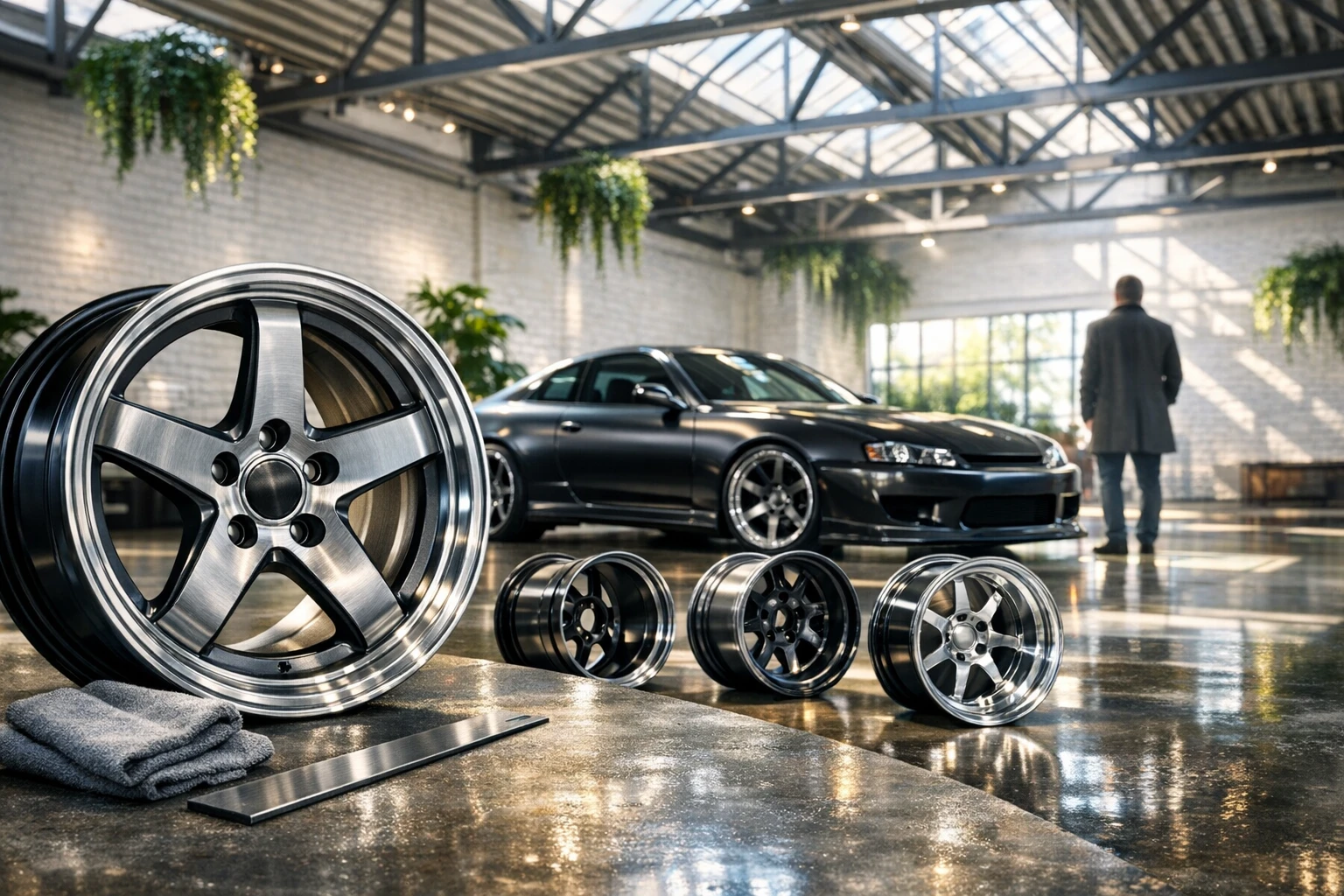
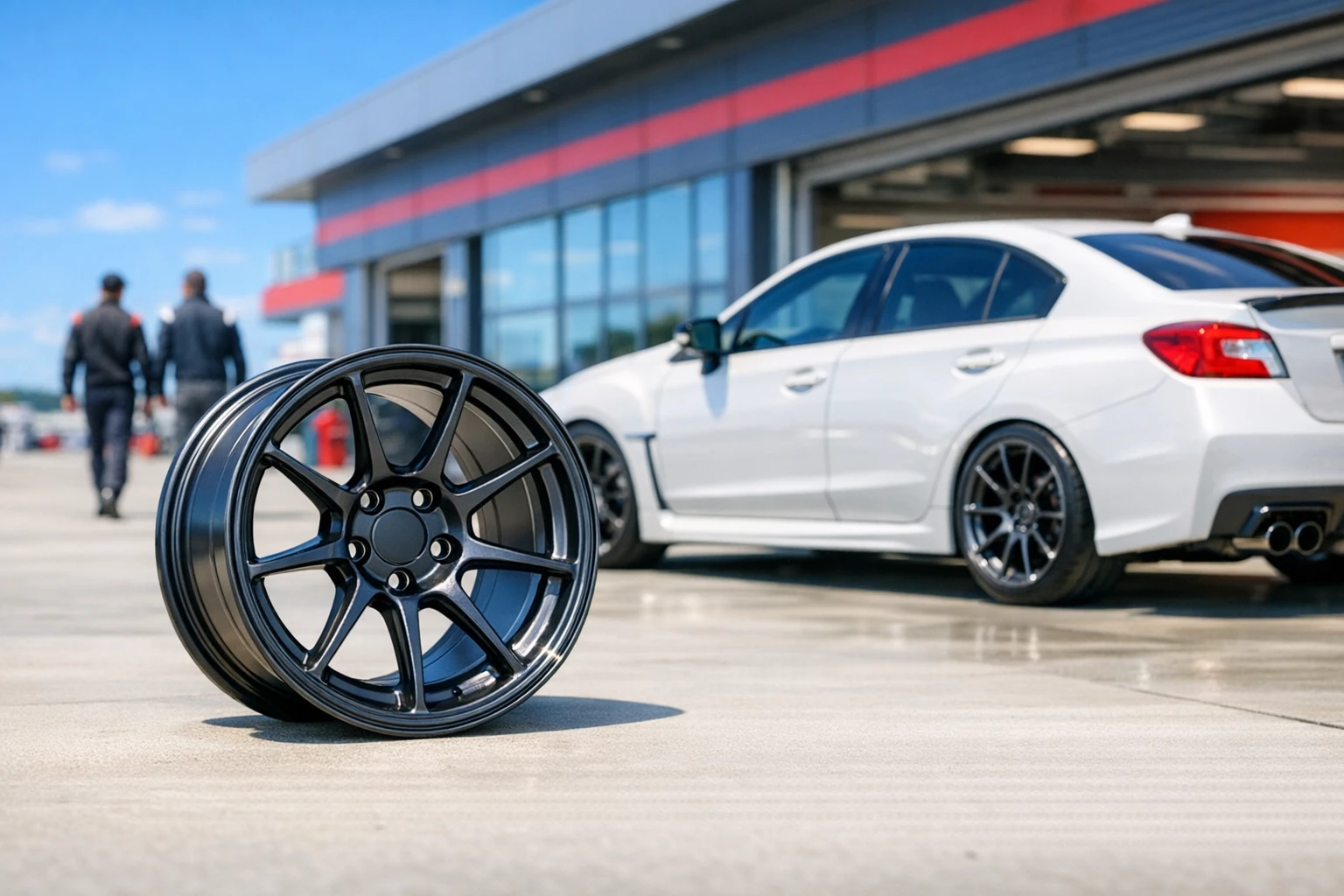
 Artificially generated image
 Everything You Need to Know About Buying Second-Hand Rims for Your Vehicle
Used rims sit in that sweet spot where practicality meets personality: they can refresh a car’s look, replace a damaged wheel, or build a seasonal tire setup without the sting of full retail pricing. Yet a bargain on paper can turn into vibration, poor handling, or wasted money if the wheels do not fit or hide structural damage. Learning how size, condition, and real-world value work together is what turns a casual purchase into a confident one.
Outline: 1. Why second-hand rims make sense for many drivers. 2. The fitment details you must verify before buying. 3. How to inspect condition and judge safety. 4. Where to shop, how to compare prices, and how to negotiate. 5. Installation, upkeep, and a final checklist for buyers who want value without compromise.
1. Why Second-Hand Rims Can Be a Smart Buy
For many vehicle owners, second-hand rims are not a compromise at all. They are a practical way to solve a problem and improve a vehicle at the same time. Maybe one original wheel was bent by a pothole, maybe the factory design looks dated, or maybe you want a separate set for winter tires so your better-looking wheels can avoid salt and grime. In each case, the used market can offer options that are significantly more affordable than buying new. Depending on brand, size, finish, and demand, a pre-owned set can cost far less than a dealership replacement or a brand-new aftermarket package.
Cost is only one part of the story. Used rims also open the door to factory-original wheels that may no longer be easy to find. That matters because original equipment rims are designed for a specific vehicle or platform, which often makes fitment easier and more predictable than buying an unknown low-cost aftermarket set. A used OEM wheel from a compatible model may deliver the right bolt pattern, center bore, and load capacity without extra adapters or guesswork. For drivers who want a clean factory look, this can be the sweet spot between style and simplicity.
There is also an environmental angle worth mentioning. Reusing wheels keeps usable materials in circulation and reduces demand for new manufacturing, packaging, and transport. One buyer may simply see a good deal, but the larger picture is that extending the life of an existing product is usually more resource-conscious than replacing it with something newly produced. In a market where car parts are often discarded quickly, a solid set of used rims can feel like the automotive version of rescuing a good leather jacket from the back of a closet: functional, attractive, and still full of life.
That said, a smart purchase is not the same thing as the cheapest purchase. A bargain loses its charm if the wheels require expensive refinishing, do not clear the brakes, or create steering vibration after installation. It is better to compare total value rather than just the asking price. A higher-priced used set in verified condition can be a much better choice than a suspiciously cheap listing with poor photos and vague answers.
Common reasons people choose second-hand rims include:
• Lower purchase cost than new replacements
• Access to discontinued or hard-to-find OEM designs
• A separate wheel set for winter or performance tires
• Less waste through reuse
• Greater styling variety within the same budget
When approached carefully, used rims can be one of the more sensible upgrades in the automotive world. They blend economics, aesthetics, and practicality in a way few parts can. The trick is knowing how to evaluate them properly before you hand over your money.
2. Understanding Fitment: The Numbers That Matter Most
If buying second-hand rims has a gatekeeper, it is fitment. A wheel can look perfect in photos and still be completely wrong for your vehicle. This is why experienced buyers check measurements before they check paint, polish, or brand names. The most important specifications are diameter, width, bolt pattern, offset, center bore, and load rating. Missing just one of these details can lead to rubbing, vibration, poor steering feel, brake clearance issues, or wheels that simply do not mount correctly.
Start with diameter and width. These are usually shown in a format like 17×7.5, which means a 17-inch diameter and 7.5-inch width. Your vehicle can often accept more than one wheel size, but not every size works equally well. A larger diameter may change tire costs and ride comfort, while a wider wheel can affect tire fitment and fender clearance. Then comes the bolt pattern, often written as something like 5×114.3. The first number is how many lug holes the wheel has, and the second is the diameter of the imaginary circle those holes form. If the bolt pattern is wrong, the wheel is not suitable, no matter how attractive the price looks.
Offset is another major factor. Measured in millimeters, offset describes how the wheel sits relative to the hub. A change in offset can push the wheel farther inward or outward. Too far inward and you risk rubbing on suspension parts or brakes. Too far outward and you can create fender clearance problems, heavier steering feel, or extra strain on wheel bearings over time. Center bore also matters. If the wheel’s center bore is smaller than your vehicle’s hub, it will not fit. If it is larger, hub-centric rings may be needed to help the wheel center properly.
Do not overlook brake clearance and load capacity. Some rims physically fit the hub pattern but do not clear larger brake calipers. Others may be intended for lighter vehicles and are not ideal for SUVs, vans, or heavier sedans. If you drive a vehicle that regularly carries passengers, gear, or tools, wheel strength is not a minor detail.
A simple fitment checklist looks like this:
• Diameter and width match an approved range
• Bolt pattern matches exactly
• Offset stays within a safe, proven range
• Center bore fits the hub or can use proper rings
• Brake calipers have enough clearance
• Load rating suits the vehicle’s weight
Before buying, compare the wheel specifications with your owner’s manual, a reputable fitment database, or manufacturer information. If a seller cannot provide the exact specs, treat that as a warning sign. Wheels are not decorative plates; they are structural components. The right numbers matter as much as the right condition.
3. How to Inspect Second-Hand Rims for Condition and Safety
Condition is where a promising deal either earns your trust or quietly falls apart. A used rim can photograph beautifully and still have issues that only show up in person or during mounting. Think of it this way: a shiny finish tells you about appearance, not about structural integrity. A wheel can gleam like polished silver and still wobble like a shopping cart with a stubborn front caster. That is why inspection should be slow, methodical, and a little skeptical.
Start with the obvious. Look for cracks, especially around the spokes, inner barrel, lug holes, and valve stem area. Even a hairline crack is a serious concern, because a wheel deals with repeated impacts, cornering forces, and heat cycles. Next, check for bends. A bent rim may not be obvious when it is sitting on the floor, so if possible, have it spun on a balancing machine or placed on a hub to see whether it runs true. Inner barrel bends are common after pothole strikes and are sometimes missed because buyers only inspect the face of the wheel.
Corrosion is another important factor, particularly on older alloy wheels or rims used in snowy climates. Surface blemishes may be cosmetic, but deeper corrosion around the bead seat can lead to slow air leaks. On steel wheels, rust can be manageable at a mild stage, but heavy corrosion weakens the structure and makes refinishing less worthwhile. Curb rash, by contrast, is often more about appearance than safety, though severe impact damage should raise questions about how the wheel was treated.
Ask whether the rims have been repaired. Not all repairs are automatically disqualifying, but you should understand what was done and by whom. Cosmetic refinishing is one thing; structural welding or straightening is another. A professionally repaired wheel may still be usable in some situations, but the buyer needs transparency and, ideally, documentation. If the seller becomes defensive when asked basic questions, that alone is useful information.
Here is a practical inspection checklist:
• Check the front face and the inner barrel
• Look closely at lug seats for distortion
• Search for cracks, weld marks, and flat spots
• Confirm all wheels match in size and part number
• Inspect the bead area for corrosion or pitting
• Ask for close-up photos if buying remotely
If tires are included, inspect them too. Uneven wear can hint at past alignment issues, poor balancing, or a bent wheel. A mismatched set may not be a deal-breaker, but it lowers overall value. The safest approach is to assume nothing and verify everything. A careful ten-minute inspection can save you from months of vibration, air leaks, and regret.
4. Where to Buy, How to Compare Prices, and How to Negotiate Well
The used rim market is wide, and each buying channel comes with its own advantages and trade-offs. Private sellers on local marketplaces often have the lowest prices, especially when they want quick cash or need garage space. Salvage yards can be excellent for original equipment wheels, particularly if you need a direct replacement for a damaged factory rim. Specialist wheel shops may charge more, but they often inspect, straighten, or refinish wheels before resale, which can reduce risk. Enthusiast forums and brand-specific communities can also be valuable because listings are often detailed and buyers can research part compatibility through model history.
Price comparison should go beyond the headline number. A set of used rims may appear inexpensive until you add shipping, refinishing, missing center caps, replacement lug hardware, new valve stems, or the cost of correcting a bend. On the other hand, a slightly more expensive local set that you can inspect in person may offer better value and less uncertainty. When tires are mounted on the wheels, decide whether they add real value or just visual bulk. Old tires with low tread or an aged sidewall may not be worth much, and in some cases they simply increase shipping cost.
Negotiation works best when it is informed rather than aggressive. Sellers respond better to specific observations than to random low offers. If you notice curb rash, a missing cap, or evidence that a finish needs work, explain that these issues affect your total cost. That creates a rational basis for your offer. If the seller provides detailed photos, exact specifications, and honest answers, that professionalism deserves respect. A fair deal tends to happen faster when both sides speak plainly.
Useful questions to ask a seller include:
• What vehicle were these wheels used on?
• Have any of them been bent, welded, or refinished?
• Can you share the exact size, offset, and bolt pattern?
• Are center caps, sensors, or lug nuts included?
• Can you provide photos of the inner barrel and back markings?
For remote purchases, packaging matters. Wheels should be protected at the face and edges, and carriers should be chosen with care. Payment method matters too. Whenever possible, use a platform that offers some buyer protection, especially for expensive sets. Avoid deals that depend on rushed payment, incomplete descriptions, or stories that never quite line up. In used parts shopping, clarity is currency. The best listing is not always the flashiest one; it is the one that answers your questions before you even need to ask them.
5. Installation, Maintenance, and a Final Checklist for Confident Buyers
Once you have bought the right set of second-hand rims, the job is only half done. Proper installation is what turns a good purchase into a satisfying, trouble-free result. Before mounting tires, clean each wheel thoroughly and inspect it one more time in good light. Dirt can hide pitting, small cracks, or old adhesive from wheel weights. If the wheels came without accessories, confirm whether you need hub-centric rings, correct lug nuts or bolts, center caps, valve stems, or tire pressure monitoring sensors. These small parts are easy to overlook, but they affect both safety and convenience.
Professional mounting and balancing are highly recommended. Even if a wheel looks straight, a balancing machine can reveal issues that are not obvious during a visual inspection. Ask the installer to check for runout, bead sealing problems, and any signs that a rim should not be used. If the wheel design differs from your original set, verify that the hardware seat type is correct. Some wheels use conical seats, while others use ball seats or other formats. Using the wrong hardware can create poor clamping and unsafe mounting.
After installation, pay attention to how the vehicle feels. A test drive should be calm and informative, not dramatic. Watch for steering wheel vibration, pulling, unusual noises, or rubbing during turns and bumps. If something feels wrong, stop and investigate rather than hoping it will disappear on its own. Many installers also recommend rechecking lug torque after an initial driving period, following the vehicle or wheel manufacturer’s guidance.
Long-term maintenance is straightforward but worthwhile. Clean the rims with products suited to their finish, especially if they are painted, polished, or machined. Avoid harsh chemicals unless the finish is known to tolerate them. In winter climates, regular washing helps reduce the long-term effects of road salt. When storing an extra set, keep the wheels dry and protected from repeated impacts.
Final buyer checklist:
• Verify all fitment specs before paying
• Inspect the inner and outer surfaces carefully
• Ask direct questions about damage and repairs
• Factor in installation and accessory costs
• Use proper mounting hardware and balancing
• Recheck performance after the first drive
For daily drivers, second-hand rims can be a sensible way to restore factory performance without overspending. For enthusiasts, they can unlock better styling, a track-ready spare set, or a discontinued design with character. For first-time buyers, the real win is not just saving money; it is learning how to buy a safety-critical part without guesswork. If you approach the process with patience, measurements, and a sharp eye, used rims can deliver genuine value and a better-looking vehicle at the same time.