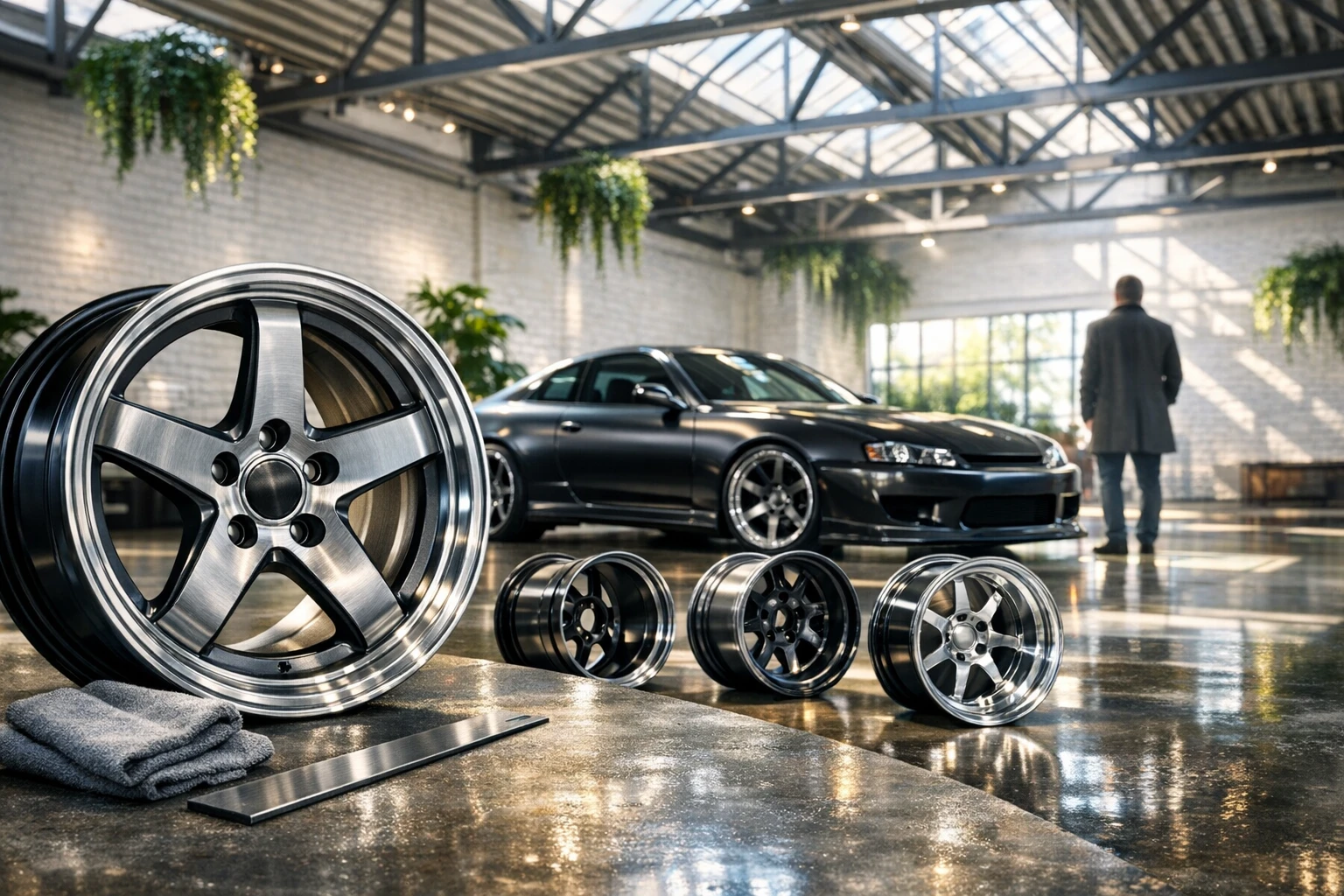
 Artificially generated image
 Buying Second-Hand Rims: Everything You Need to Know
1. Why Second-Hand Rims Are a Smart Option and What This Guide Covers
Second-hand rims sit in a useful middle ground between necessity and style, giving drivers a way to replace a damaged wheel, build a winter setup, or sharpen a car’s appearance without paying full retail prices. That sounds simple, but the used market has its traps. A wheel that looks clean in photos can hide bends, repairs, corrosion, or fitment problems that only show up after installation. This guide breaks the topic into a practical roadmap so you can compare options, inspect condition, judge value, and buy with far more confidence than guesswork allows.
For many vehicle owners, buying used rims is not just about saving money. It is also about access and flexibility. New wheels, especially original equipment manufacturer options, can be expensive or temporarily unavailable. Some factory designs are discontinued, which makes the second-hand market the only realistic place to find a matching replacement. Drivers who use separate wheels for summer and winter tires also often prefer a used set because it lowers the total cost of seasonal switching. On top of that, reusing wheels is a sensible move from a sustainability perspective. Extending the life of an existing product reduces waste and delays the need for new manufacturing.
Still, not every used rim deserves a spot on your car. A smart purchase depends on balancing five questions: Will it fit? Is it structurally sound? Is the price fair? Is the seller trustworthy? What will it cost after purchase to make the wheels road-ready? Those questions matter because the cheapest listing is not always the lowest-cost solution. A bargain can disappear quickly if you need straightening, repainting, new center caps, or expensive shipping.
Here is the outline this article follows:
- How to understand rim size, bolt pattern, offset, center bore, and load rating
- How to inspect a used rim for damage, repairs, and corrosion
- How to compare sellers and reduce buying risk
- How to calculate true value instead of chasing the lowest sticker price
- How to handle installation, maintenance, and post-purchase checks
Think of second-hand rims as a treasure hunt with a tape measure and a flashlight. The thrill is real, but so is the need for discipline. A little patience can uncover a durable, attractive set that serves your vehicle well for years. Rush the process, and those shiny spokes may become an expensive lesson in fitment and false economy.
2. Understanding Fitment: The Numbers That Matter Before You Buy
If there is one area where buyers most often go wrong, it is fitment. A rim can look perfect, carry the right finish, and still be unusable if the dimensions are off. Before you evaluate cosmetics or price, confirm the measurements that determine whether the wheels will safely and properly fit your vehicle. These numbers are not decoration; they are the language of compatibility.
Start with diameter and width. Rim diameter is measured in inches, such as 16, 17, or 18 inches, and it must work with the tire size you plan to use. Width, also in inches, affects tire compatibility, handling feel, and the wheel’s visual stance. A wider rim can support a wider tire, but too much width can create rubbing against the suspension or fender. Diameter also influences brake clearance. A wheel that is too small may not clear larger brake calipers, which is common on performance trims and some SUVs.
Next is bolt pattern, sometimes written as 5×114.3 or 5×112. The first number is the count of lug holes, and the second is the diameter of the circle they form, usually measured in millimeters. This must match the vehicle exactly. Close is not close enough. Then comes offset, expressed in millimeters. Offset tells you how far the wheel’s mounting surface sits from its centerline. A higher positive offset pulls the wheel inward; a lower offset pushes it outward. Even a small offset change can affect steering feel, suspension clearance, fender clearance, and bearing load.
Center bore is another important measurement. This is the hole in the middle of the wheel that fits over the vehicle’s hub. If the center bore is too small, the wheel will not mount. If it is too large, hub-centric rings may be needed to ensure proper centering on the hub. Load rating matters too, especially for trucks, vans, and heavier crossovers. A wheel must be rated to carry the vehicle’s weight safely. That is not a minor detail; it is a basic safety requirement.
- Verify diameter and width against your tire plan and brake clearance needs
- Match the bolt pattern exactly
- Confirm offset is within a safe and practical range for your vehicle
- Check center bore and whether hub rings are required
- Make sure load rating meets or exceeds vehicle requirements
It is also wise to compare original equipment wheels with aftermarket options. OEM rims are often easier to fit because they were built for the vehicle platform. Aftermarket wheels may offer more designs and finishes, but they demand closer scrutiny. Some use multi-fit drilling, some rely on hub rings, and some change the scrub radius enough to alter how the vehicle drives. If you are unsure, check the vehicle manual, the door-jamb tire label, a trusted wheel fitment guide, or a professional installer before committing. In the used market, the numbers decide everything. The paint may catch your eye, but the specifications decide whether the wheels deserve your money.
3. How to Inspect Used Rims for Damage, Repairs, and Hidden Problems
Once fitment checks out, the next step is condition. This is where second-hand rim buying becomes part detective work, part common sense. Photos can flatter a wheel in the same way evening light flatters an old building: from a distance it looks charming, but up close the cracks begin to show. A careful inspection protects you from buying something that will vibrate, leak air, or fail under stress.
Begin with the basics: inspect both the front and back of each rim. The visible face often gets the seller’s attention, but the inner barrel is where many problems live. Look for bends, flat spots, cracks, heavy curb rash, pitting, corrosion, and evidence of previous repairs. Cosmetic rash is common and not always a deal breaker, especially if you plan to refinish the wheels. Structural damage is different. Cracks near the spokes, hub area, or barrel deserve serious caution. A bent lip may sometimes be repairable, but the value of the rim changes immediately once repair is required.
Corrosion deserves special attention, especially on wheels exposed to road salt. Oxidation on aluminum alloys can creep under the finish and cause flaking, bubbling, or air leaks around the bead seat where the tire meets the rim. Steel wheels can rust, and while surface rust is manageable, advanced rust around key areas can weaken the wheel. If the rim has been welded, ask who performed the repair and where. A professional repair from a reputable wheel specialist is different from an undocumented fix with no paperwork. Repair history does not automatically mean rejection, but it should reduce the price and increase your scrutiny.
When possible, ask the seller to place each wheel on a balancer or spin machine. This can reveal side-to-side wobble or out-of-round problems that are difficult to spot by eye. If you are buying remotely, request close-up photos of the inner barrel, bead seat, lug holes, center bore, and any blemishes. Ask direct questions, not vague ones.
- Has any wheel been bent, cracked, welded, or straightened?
- Are the rims holding air without slow leaks?
- Have they been refinished or powder-coated?
- Do they include center caps, valve stems, and lug hardware?
- Were they used with tire pressure monitoring sensors?
The seller matters almost as much as the wheels. Private sellers may offer the best prices, but they can also offer the least protection. Salvage yards often have hard-to-find OEM wheels, though condition varies widely. Specialized wheel shops usually cost more, but may inspect, straighten, or refinish inventory before sale. Online marketplaces provide the largest selection, yet shipping risk enters the picture. A rim damaged in transit can erase a good deal overnight. Packaging should be sturdy, with protected faces and reinforced edges.
The goal is not to find a perfect used rim. It is to find one whose flaws are understood, manageable, and fairly priced. Minor marks tell a story; serious structural issues write a warning label. Learn the difference, and you will shop with much sharper instincts.
4. Comparing Costs: How to Judge Value, Spot False Bargains, and Negotiate Well
Price is the reason many buyers enter the used rim market, but value is what should guide the final decision. The two are related, not identical. A low asking price can be appealing, yet the real cost of a used set may include refinishing, shipping, mounting, balancing, sensors, missing hardware, and repair work. That is why experienced buyers do not ask only, “How much is the set?” They ask, “What will this set cost me before it is truly ready to drive?”
Start by comparing the used rims against current new-wheel pricing for a similar style, size, and quality level. OEM wheels often command higher prices than generic aftermarket models because of predictable fitment and factory build quality. Rare or discontinued OEM designs can remain expensive even in used condition, especially if owners are searching for a matching single replacement after pothole damage. On the other hand, common take-off sets from popular vehicles may offer excellent value because supply is plentiful.
Condition is the largest price driver after fitment. A straight, clean wheel with minor cosmetic wear is more valuable than a freshly painted wheel hiding a bend. Finish also matters. Polished, machined, painted, and powder-coated wheels each age differently, and restoration costs are not the same. A glossy refinish can look fantastic in photos, but if it was done cheaply, peeling or poor masking may appear after a season of washing and weather. Tires included with the rims can add value, but only if they are usable. Old tires with low tread or uneven wear can make a bundle look richer than it really is.
Consider a simple total-cost formula:
- Purchase price
- Shipping or travel cost
- Mounting and balancing
- Replacement caps, rings, or lug nuts
- Repairs or refinishing
- Alignment check if fitment changes significantly
This breakdown changes the story fast. A set listed at 400 dollars may become 700 dollars after freight, straightening, and a proper finish. Meanwhile, a cleaner set priced at 550 dollars from a local seller may be the wiser buy because it needs nothing except installation. Value often hides in the details people skip.
Negotiation should be calm, specific, and evidence-based. Instead of throwing out a random lower number, point to what you found: curb rash on two wheels, one missing cap, visible oxidation on the bead seat, or the need for hub rings. Sellers are far more likely to respond to factual reasoning than to vague claims that the price “feels high.” If the wheels are truly desirable and correctly described, paying a fair price is better than losing them while waiting for a miracle discount.
In short, smart buyers compare whole-package cost, not just the listing headline. The used rim market rewards patience, math, and realism. A deal is not something that looks cheap for ten seconds on a screen; it is something that still looks smart after the wheels are mounted, balanced, and rolling smoothly down the road.
5. Final Buying Checklist, Installation Tips, and a Practical Summary for Drivers
By the time you are ready to buy, the process should feel less like a gamble and more like a checklist. That is a good sign. A careful buyer does not need to know everything about wheel manufacturing, but does need a repeatable process. Before payment, confirm the exact wheel specifications, re-check condition, and clarify what is included. Small omissions can become annoying and expensive later. Center caps, valve stems, lug bolts or nuts, hub rings, and tire pressure monitoring sensors are all easy to forget until installation day.
Once the rims are in hand, have them installed by a reputable shop, especially if you changed size, offset, or tire type. Proper mounting and balancing are essential, and a professional can often spot issues that slip past a seller and buyer alike. If your vehicle uses TPMS sensors, make sure the wheels can accommodate them and that the sensors are compatible. After installation, confirm there is no rubbing at full steering lock and over bumps. Torque the lug hardware to manufacturer specification, and many technicians recommend re-checking torque after the first 50 to 100 miles of driving.
Maintenance matters too. Used rims last longer when they are cleaned regularly with wheel-safe products and inspected for new damage after pothole strikes or rough-road impacts. Brake dust, road salt, and neglected grime can shorten the life of the finish. If you bought a winter set, storing the off-season wheels in a cool, dry place helps preserve both finish and structure. Labeling each wheel by vehicle corner can also help track tire rotation and wear patterns over time.
Here is a final buyer’s checklist to keep the process tight:
- Match diameter, width, bolt pattern, offset, center bore, and load rating
- Inspect the face and inner barrel for bends, cracks, corrosion, and repairs
- Ask for clear photos or a spin test whenever possible
- Calculate total ready-to-use cost, not just the purchase price
- Use a trusted installer for mounting, balancing, and fit verification
Conclusion for budget-conscious drivers, daily commuters, and enthusiasts: buying second-hand rims is a smart choice when you treat it as an informed purchase rather than an impulsive style upgrade. If you need a practical replacement, want a second set for seasonal tires, or simply like the idea of improving your vehicle without overspending, the used market can work very well in your favor. The key is to lead with fitment and structural condition, then let appearance and price follow. When the measurements line up, the inspection is clean, and the full cost makes sense, second-hand rims can deliver strong value, solid function, and a more personalized look without the sting of buying new. That is the kind of upgrade most drivers can feel good about every time the car leaves the driveway.