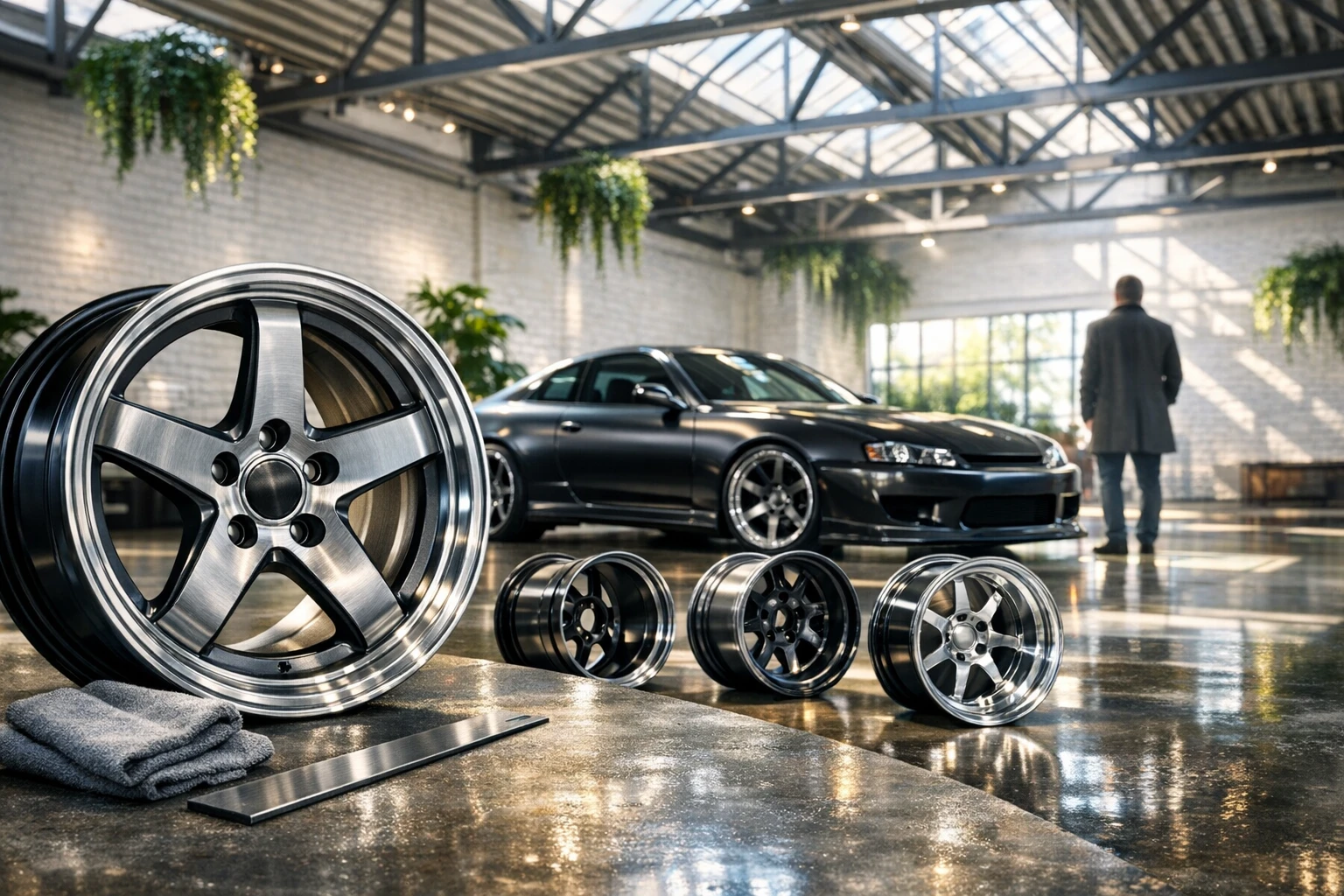
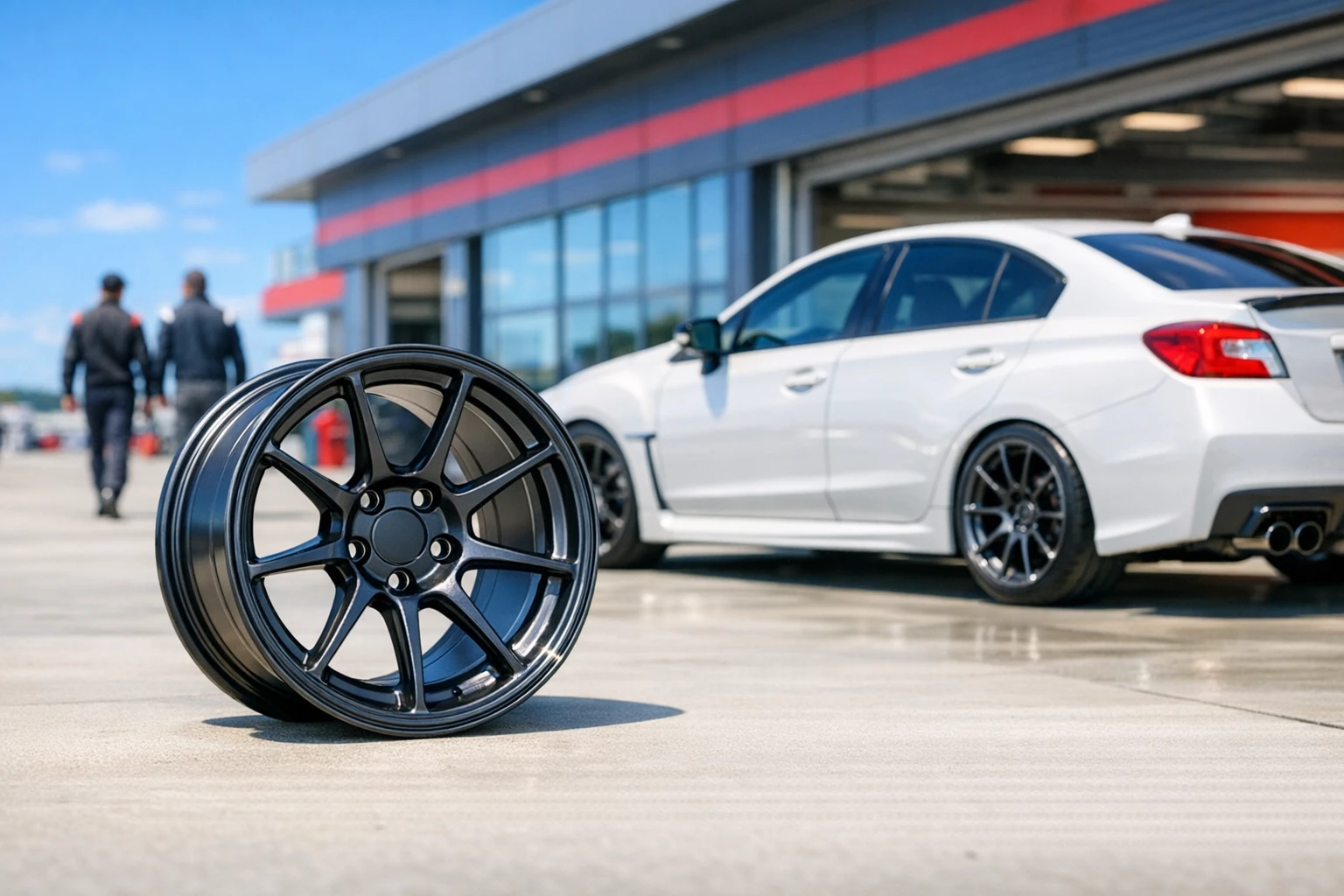
 Artificially generated image
 Everything You Need to Know About Buying Second-Hand Rims for Your Vehicle
Second-hand rims can save real money, open up more styling choices, and help drivers replace damaged wheels without paying new-part prices. But a cheap set is not automatically a smart set, because fitment errors, hidden cracks, and refinishing costs can erase the bargain fast. This guide explains what to check before you buy, how to judge condition, and where value ends and risk begins. If you want a sharper-looking vehicle without making an expensive mistake, this is the place to start.
Outline: this article covers why used rims can be a smart purchase, the fitment measurements you must verify, the condition checks that separate safe wheels from risky ones, where to buy and how to price them, and the installation and maintenance steps that protect your investment after the sale.
1. Why Second-Hand Rims Can Be a Smart Buy
Buying second-hand rims is often less about cutting corners and more about spending carefully. For many drivers, wheels are one of the few parts that can change both the look and function of a vehicle at the same time. A well-chosen used set can refresh an older car, provide a dedicated winter setup, replace a single damaged rim, or deliver a factory-original appearance for far less than the cost of buying new. In practical terms, that matters. Used original equipment manufacturer wheels, often called OEM wheels, regularly sell for noticeably less than new ones, and in many local markets they can cost 30 to 70 percent less depending on condition, finish, size, and demand.
The value becomes even clearer when you compare good used OEM rims with very cheap new aftermarket alternatives. A budget new wheel may look tempting at first glance, but a used factory rim often has advantages in fit, brake clearance, center bore accuracy, and long-term durability. Vehicle manufacturers design OEM wheels around load requirements, suspension geometry, and hub fitment. That does not automatically make every factory wheel superior, but it does reduce guesswork. If you are trying to keep the car close to stock, restore a vehicle, or avoid vibration issues, a clean used OEM set can be the more dependable choice.
There are also situations where buying used simply makes more sense than buying new:
• You need one matching replacement after pothole damage.
• You want a spare set for winter tires.
• You found a discontinued design that suits your vehicle better than current options.
• You are preparing a car for sale and want it to look complete without overspending.
There is an environmental angle as well. Reusing rims keeps serviceable metal parts in circulation and reduces demand for new manufacturing, packaging, and shipping. It is not a dramatic headline, but it is a practical form of waste reduction. Think of it as giving solid hardware a second chapter instead of sending it to a scrapyard too early.
Still, smart savings come with a condition: you need to buy selectively. Wheels live a hard life. They absorb impacts, road salt, curb contact, brake dust, and weather. That means the best used-rim buyers are not simply bargain hunters; they are detail hunters. The opportunity is real, but so is the risk. When the numbers make sense and the inspection checks out, second-hand rims can be one of the most satisfying purchases you make for your vehicle.
2. Fitment Basics You Must Understand Before Spending Money
If there is one rule that saves buyers from the biggest mistakes, it is this: do not shop by appearance alone. A rim can look perfect in a listing and still be completely wrong for your vehicle. Proper fitment is the foundation of safety, ride quality, handling, and brake clearance. Before you compare finishes or negotiate price, you need the correct specifications for your car, truck, or SUV.
The most important measurements are straightforward once you know what they mean. Diameter and width describe the wheel’s size, such as 18×8, meaning an 18-inch diameter and 8-inch width. Bolt pattern, also called pitch circle diameter or PCD, tells you how many lug holes there are and how far apart they sit, such as 5×114.3. Offset describes how far the mounting face sits inward or outward relative to the wheel centerline. Hub bore, sometimes called center bore, is the opening in the middle of the wheel that fits over the hub. Load rating matters too, especially for heavier vehicles. A wheel that physically bolts on is not automatically suitable if it cannot safely carry the vehicle’s weight.
Here is where buyers get caught out. A 5×112 wheel will not correctly fit a 5×114.3 vehicle, even though the numbers look close. An offset that is too aggressive can push the wheel outward, causing rubbing against fenders. An offset that is too high can bring the inner barrel too close to suspension components or brake calipers. A wheel with the wrong hub bore may require hub-centric rings in some cases, but you still need to confirm the setup is appropriate rather than improvising your way into a problem.
Key fitment points to verify before buying:
• Diameter and width
• Bolt pattern
• Offset range recommended for the vehicle
• Hub bore
• Brake clearance
• Load rating
• Lug seat type, such as conical or ball seat
• Tire size compatibility
A practical example helps. Suppose your vehicle uses 17×7.5 wheels with a 5×114.3 bolt pattern and an offset around +45. A used 17×8 wheel with the same bolt pattern might still work, but only if the offset and brake clearance remain suitable and the tire size stays within a sensible range. On the other hand, a beautiful 18-inch set may require lower-profile tires, change ride comfort, affect speedometer accuracy if the overall tire diameter changes too much, and increase replacement tire costs later.
The safest path is to start with your owner’s manual, the tire placard on the vehicle, or a trusted fitment database. If the car has been modified, verify the current brake and suspension setup rather than assuming stock numbers still apply. When you understand the measurements, listings stop being vague promises and start becoming clear decisions. That is when a buyer shifts from hopeful browsing to confident selection.
3. How to Inspect Used Rims and Avoid Costly Mistakes
Condition is where the second-hand market separates the bargains from the headaches. A used rim does not need to be flawless to be worth buying, but it does need to be structurally sound, correctly described, and realistically priced. Cosmetic wear can often be tolerated or repaired. Structural damage is another story. A wheel may be only one pothole away from revealing the truth, so inspection is not a formality; it is the deal.
Start with the obvious. Look for cracks around the spokes, barrel, lug holes, and inner lip. Inspect both the front and the back of the wheel, because damage often hides on the inner barrel where quick photos do not linger. Check for bends by slowly rotating the wheel if you are seeing it in person. Even a slight flat spot on the inner lip can cause vibration. Examine the bead seat area where the tire seals against the rim. Corrosion there can lead to persistent air leaks, especially on older alloy wheels exposed to road salt. Curb rash on the outer edge may be mostly cosmetic, but deep gouges, distorted metal, or repaired sections deserve much closer attention.
Good inspection questions include:
• Has the wheel ever been welded, straightened, or refinished?
• Was it removed because of vibration, air loss, or impact damage?
• Is the part number still visible?
• Are all wheels from the same set and specification?
• Can you provide close photos of the inner barrel and mounting pad?
Refinishing is common, and it is not automatically a bad sign. A professional refinish can improve appearance and extend service life. What matters is whether the seller is honest about it and whether the repair stayed cosmetic. Structural welding on a cracked wheel is a different matter. In many cases, buyers should treat cracks as a reason to walk away, especially for road use, because the original integrity of the wheel may be compromised and local standards or shop policies can vary on repairability.
There is another issue that deserves attention: authenticity. Some buyers search for premium-brand wheels on the used market, which can be fine, but be cautious of counterfeit rims that imitate established brands. Avoid anything with suspiciously missing casting marks, poor lettering, inconsistent finishes, or a price that feels impossibly low. Verify part numbers, compare spoke details with official product images, and ask for clear close-ups. The goal is not brand worship; it is avoiding unsafe products and misrepresented goods.
If you are buying online, request photos in natural light, including the back side, hub area, and each wheel laid flat. If possible, ask whether the wheels were recently balanced and whether they ran true on the machine. A seller who answers clearly and provides detailed images usually inspires more confidence than one who leans on phrases like “should fit most cars” or “looks straight to me.” Used rims tell a story through scratches, corrosion, and machining marks. Read that story carefully before you pay for the ending.
4. Where to Buy, What to Pay, and Which Hidden Costs Matter Most
Once you know the correct fitment and how to inspect condition, the next question is where to buy. The answer depends on what you value most: price, convenience, selection, or peace of mind. Local classifieds can offer the lowest prices because you avoid shipping and can inspect in person. Salvage yards can be excellent for OEM replacements, especially if you need a single wheel to match an existing set. Specialist wheel shops and refurbishers may charge more, but they often provide measured condition, balancing checks, and some form of limited warranty. Online marketplaces offer huge variety, though they also introduce more uncertainty, more competition, and more room for creative descriptions.
Pricing is rarely fixed because used rims are influenced by brand, size, condition, finish, rarity, and season. A clean set of common OEM alloy wheels may be a straightforward purchase, while an unusual factory design or a discontinued performance wheel can attract much stronger pricing. In general, used OEM sets often land well below the cost of new replacements, but the cheapest listing is not always the best value. A set that needs stripping, repainting, center caps, straightening, and shipping may end up costing more than a better-preserved set listed at a higher starting price.
Hidden costs commonly include:
• Tire mounting and balancing
• Valve stems or tire pressure monitoring service kits
• Replacement center caps
• New lug nuts or bolts if the seat type differs
• Refinishing or powder coating
• Shipping for heavy or oversized boxes
• Hub-centric rings when appropriate
• Alignment if the wheel change reveals existing suspension issues
Refinishing costs vary by region and wheel design, but many buyers underestimate them. Even a straightforward cosmetic refresh can add meaningful cost per wheel, and complex machined faces or specialty finishes tend to cost more. Shipping also matters more than people expect. Wheels are bulky, relatively heavy, and vulnerable to handling damage. A “great deal” from far away can lose its charm once packaging, freight charges, and the risk of transit scuffs enter the picture.
When negotiating, be polite and specific. Point to actual issues like missing caps, curb rash, or visible corrosion rather than making vague low offers. Ask whether the seller will confirm part numbers, measure offset, or provide additional photos. If buying online, review return terms before paying. If buying locally, meet in daylight and bring the exact specifications you need. A careful purchase is part detective work, part math. The sweet spot is not the lowest number on the screen; it is the lowest all-in cost for a set that fits correctly, runs true, and will not ask for expensive favors the moment you get it home.
5. Conclusion: Installing, Maintaining, and Getting the Best Value from Used Rims
For most drivers, the smartest second-hand rim purchase is the one that still feels sensible six months later. That means the buying process does not end when cash changes hands. Proper installation matters just as much as a good inspection. Even high-quality used wheels can cause vibration or uneven wear if they are mounted poorly, balanced incorrectly, or torqued without care. A professional tire shop can inspect the bead seat, confirm roundness during balancing, and make sure the lug hardware matches the wheel design. That last detail is easily overlooked, but the wrong lug seat can create serious problems even if the bolt pattern is correct.
After installation, pay attention to the first drives. A smooth ride, no unusual steering shake, and consistent tire pressure are all good signs. Many shops recommend rechecking torque after a short break-in period, especially after the first 50 to 100 kilometers or roughly 30 to 60 miles, depending on the vehicle and wheel setup. If you notice a vibration at highway speed, a slow leak, or rubbing over bumps, treat it as useful information rather than an annoyance. Those symptoms often point to a fitment issue, tire problem, or wheel damage that should be resolved before it becomes expensive.
To protect your purchase over time:
• Clean brake dust and road salt regularly.
• Use pH-appropriate wheel cleaners rather than harsh chemicals.
• Inspect inner barrels during tire rotations.
• Repair chips early to slow corrosion.
• Avoid over-tightening lug nuts.
• Be careful with curbs, potholes, and rough road shoulders.
It is also wise to check local rules and insurance considerations if you are changing wheel size significantly. Many used-rim buyers stay close to factory specifications for exactly this reason. A setup that looks dramatic on a listing may bring compromises in ride comfort, tire cost, steering feel, or legal compliance. The best wheel choice is usually the one that suits how you actually drive, not just how the car looks in a parking lot at sunset.
If you are the kind of buyer who values practical savings, wants a cleaner look, or needs a dependable replacement without paying new-wheel money, second-hand rims can be an excellent option. The formula is simple: verify fitment first, inspect condition carefully, calculate the full cost, and finish the job with proper installation. Do that, and the used market stops being a gamble and starts becoming an advantage. A good set of rims should not just fit your vehicle. It should fit your priorities too.