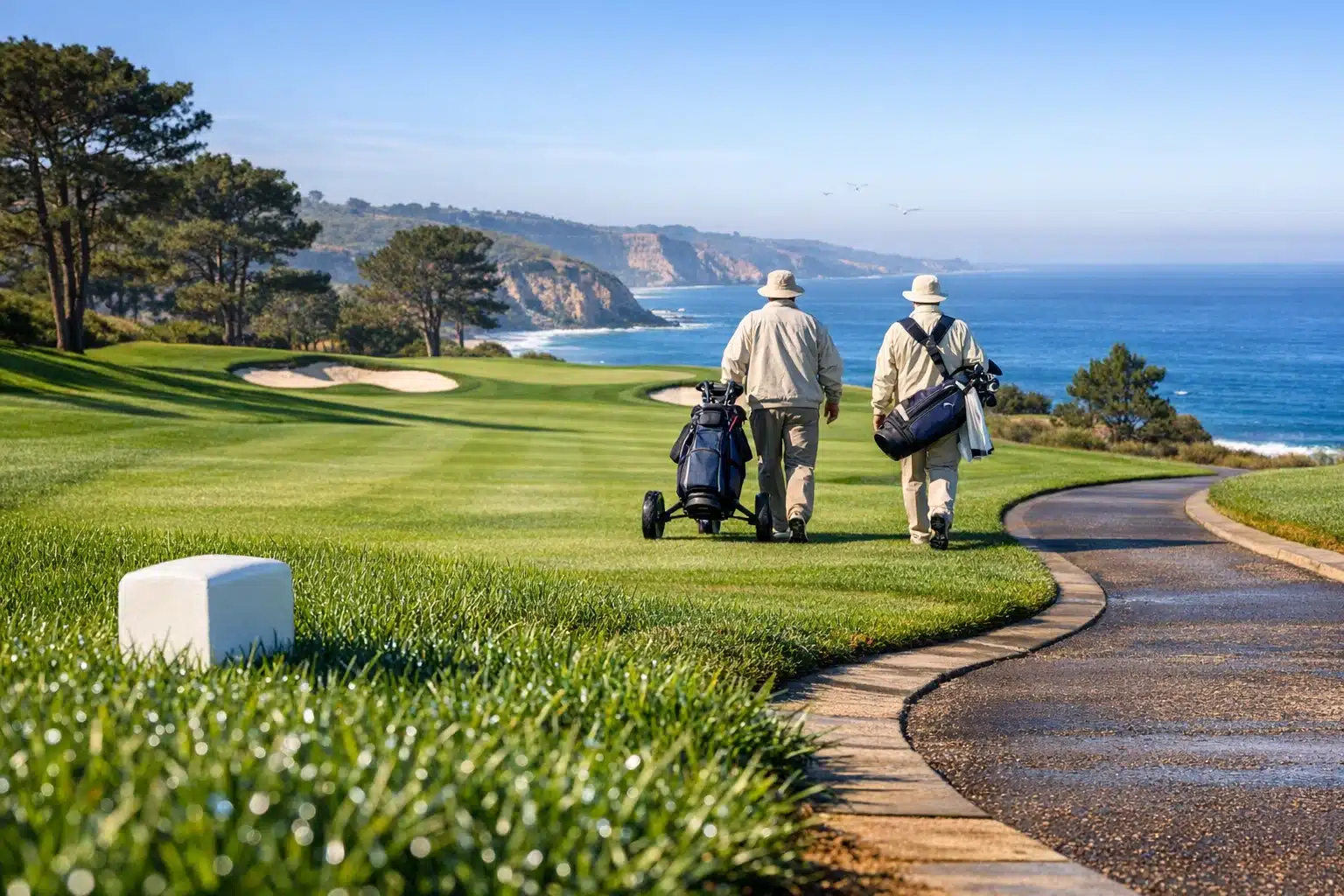
 Artificially generated image
 Top Public Golf Courses with Senior Rates
Outline and Why Senior Rates Matter
Finding a memorable public golf course is easy enough; finding one that pairs strong design, good conditioning, and a legitimate senior rate takes more care. For older golfers playing more frequently, even a modest discount can turn a once-a-month treat into a regular tee time. That makes senior pricing more than a perk—it is a practical tool for staying active, social, and on budget while still chasing great golf.
This topic matters because public golf has changed. Green fees at well-known municipal and daily-fee courses have risen in many regions, and extras such as carts, range balls, and booking fees can quietly inflate the total cost of a round. At the same time, older golfers remain one of the most dependable groups in the game, especially during weekday mornings and shoulder-season periods. Courses know this, which is why many senior offers are built around quieter tee sheets, local loyalty, or age-qualified access rather than a simple flat discount posted on the homepage.
This article is organized to help readers sort value from marketing noise. Instead of pretending every course offers the same type of senior deal, it focuses on how senior pricing usually works in the real world: some facilities discount by age, some by residency, some by time of day, and some by season. That distinction matters. A course with a small official senior rate may still be a poor value if carts are mandatory and the layout is punishing. Another course with no boldly advertised “senior special” may be an excellent choice if it offers affordable weekday walking rounds, shorter tee options, and a manageable pace.
- First, the guide identifies what makes a public course genuinely senior-friendly.
- Second, it compares notable municipal, state-park, and destination-access courses.
- Third, it explains how to evaluate the real value of a discounted round.
- Finally, it closes with practical advice for golfers choosing the best fit for their budget, mobility, and travel plans.
One important note before the comparisons begin: rates change often. Age thresholds may start at 55, 60, 62, or 65 depending on the facility, and some offers are limited to weekdays, residents, or walk-up play. So think of this article as a high-quality roadmap rather than a static price sheet. The best senior golf deals are still out there, but like a well-read green, they reward attention.
Municipal and State-Park Standouts Worth the Search
If you want the strongest mix of prestige and practical pricing, municipal and state-park golf is usually the best place to begin. These properties often serve local players first, which means their pricing structures may include resident cards, weekday senior access, or discounted replay options. That does not guarantee a bargain at every famous venue, but it does mean the door is often more open than at private clubs or destination resorts where the headline rate is aimed squarely at traveling golfers.
Torrey Pines Golf Course in San Diego is one of the clearest examples of public golf with layered value. The ocean views are world-class, the championship history is real, and both the North and South Courses carry serious name recognition. Yet for city residents, the municipal structure can make the experience dramatically more affordable than the visitor rate suggests. Older local golfers often benefit most from that system because they can play repeatedly rather than treating the course as a once-in-a-lifetime splurge. The South Course is the tougher, more demanding test; the North generally feels friendlier and slightly less punishing for players who want beauty without quite as much brute force.
Coronado Golf Course, also in the San Diego area, offers a very different style of senior appeal. It is flatter, more walkable, and less exhausting over four hours than many trophy courses. The setting is still scenic, with water and skyline views that make an ordinary weekday feel like a holiday. This is the kind of public course that reminds golfers a memorable round does not always need a major-championship résumé.
On the East Coast, Bethpage State Park in New York stands out because it is not a single experience but a menu of them. The Black Course gets the headlines, but older players looking for better pace and less physical strain may find the Red, Green, or Yellow more realistic and more enjoyable. Resident pricing and off-peak access can make a meaningful difference here, especially for golfers who care more about variety than bragging rights.
Chambers Bay in Washington deserves mention too, though with a caveat. It is a spectacular public course and an unforgettable walk, but it is exactly that: a walk. The terrain can be strenuous, the visual scale is dramatic, and the round asks a lot physically. For fit seniors or those willing to use a caddie, it can be thrilling. For others, it may be more admirable than comfortable. That is the central lesson of municipal and state-park golf: the best course on paper is not always the best course for your body, your budget, or your best score of the month.
Regional Favorites Where Senior Value Often Beats Big Branding
Not every great senior-friendly public round comes from a headline municipal giant. In many cases, the sweet spot lies in regional markets where golf is played year-round, retiree demand is strong, and facilities compete hard for repeat play. These are the places where senior rates, local-player offers, shoulder-season deals, and nine-hole flexibility can produce better overall value than a more famous course with a slightly bigger name and a much bigger bill.
Florida is full of this kind of opportunity. Winter Park Golf Course, near Orlando, is a standout for seniors who appreciate classic design and sensible scale. It is short by modern standards, highly walkable, and refreshingly free of unnecessary strain. A golfer does not have to hit towering drives to enjoy it, which is part of the charm. Palm Beach Par 3 is another smart option, especially for players who want ocean scenery without committing to a long, tiring championship test. Shorter public courses are sometimes overlooked in “top course” conversations, but for many older golfers they offer the perfect balance of challenge, pace, and repeatability.
In the desert, Desert Willow Golf Resort in Palm Desert regularly comes up in value discussions because it delivers polished conditions, strong practice facilities, and broad public appeal. Markets like the Coachella Valley often use seasonal pricing aggressively. That means the difference between prime winter demand and warmer off-peak periods can be substantial. For snowbirds with flexibility, that is not a minor detail; it can be the difference between one premium round and three good ones.
Alabama’s Robert Trent Jones Golf Trail also deserves attention, particularly for seniors who like golf trips with multiple-course options. Facilities such as Oxmoor Valley or Grand National combine large-scale public access with the kind of trip planning that rewards weekday play and package thinking. The Trail is not “cheap” in every season, but it often offers more golf per travel dollar than isolated marquee venues.
- Best for easy walking: Winter Park Golf Course
- Best for scenic short-format play: Palm Beach Par 3
- Best for resort-quality conditioning at smart times of year: Desert Willow
- Best for multi-round travel value: Robert Trent Jones Golf Trail sites
The larger point is simple. A senior golfer looking for value should not only chase famous names. Sometimes the real gem is the course that understands repeat players, respects weekday demand, and makes it pleasant to come back next Tuesday instead of merely posting one glamorous photo online.
How to Judge a Senior Rate Beyond the Posted Green Fee
A senior rate can look attractive until the rest of the bill arrives. That is why experienced golfers learn to judge value beyond the base number on the tee sheet. The best public courses for older players are not merely cheaper; they are more playable, more flexible, and more honest about what the day will actually cost. A round priced at 55 dollars may become an 85-dollar outing after a mandatory cart, booking fee, tax, and small extras. Meanwhile, a walking-friendly course at 62 dollars may prove to be the better deal because the experience is smoother and the final total is lower.
Start with the format of the discount. Some courses offer a straightforward senior green fee. Others build value through weekday windows, super-senior categories, resident cards, loyalty programs, or reduced rates after a certain hour. For golfers with flexible schedules, weekday morning or early-afternoon access is often the golden lane. The course is usually quieter, pace is steadier, and the mood is less frantic than a crowded weekend shotgun of carts and coolers.
Next, consider physical fit. A course can be discounted and still be a bad match if the walk from green to tee feels like a mountain stage in a cycling race. Elevation change, long forced carries, uneven lies, and distance from parking to clubhouse all matter more with age. Senior players should also pay attention to tee options. A truly senior-friendly course is not embarrassed to offer sensible yardages. It understands that enjoyable golf comes from angles, strategy, and solid contact, not from pretending everyone still wants to play 6,900 yards.
- Check whether the rate includes or excludes a cart.
- Ask about age thresholds and resident requirements.
- Look for replay, nine-hole, and twilight options.
- Review slope, yardage, and terrain before booking.
- Confirm whether the discount applies online, by phone, or only in person.
Finally, evaluate atmosphere. Some public courses welcome senior regulars and build their day around them. Others tolerate them while optimizing everything for high-volume visitor traffic. You can usually tell the difference by how clearly the staff answers questions about timing, pace, and accessibility. When a golf shop is transparent, the course often is too. And that small bit of trust can be as valuable as the discount itself.
Conclusion for Senior Golfers: Choosing the Right Public Course for Your Game
The best public golf course with a senior rate is not automatically the most famous one, the cheapest one, or the hardest one. It is the course that matches how you actually play now. For some golfers, that means a bucket-list round at a place such as Torrey Pines, where the setting and stature justify planning ahead and hunting every available pricing advantage. For others, the smarter move is a walkable local gem like Winter Park, a scenic shorter option like Palm Beach Par 3, or a repeat-play destination where weekday access stretches the budget much further.
If you are a strong walker who still enjoys a stern test, public championship venues in municipal or state systems can be deeply rewarding. If you care more about pace, comfort, and regular play, flatter layouts with shorter yardages may give you more satisfaction over a full season. That is an important distinction because senior golf is not only about cost control. It is also about preserving enjoyment, energy, and the desire to keep playing often. The round you want to book again is usually the one that delivered the best value.
A simple way to narrow your choice is to think in profiles:
- The budget-conscious local player should prioritize resident programs, weekday windows, and municipal courses with strong walking access.
- The traveling golf enthusiast should look for public-access destinations where shoulder-season pricing changes the equation.
- The social golfer should favor courses with shorter setups, reliable pace, and friendly clubhouse culture.
- The competitive senior should focus on multiple tee options and layouts that reward strategy instead of raw length.
Before booking, call the course directly and ask three plain questions: What is the current senior policy, what does the rate include, and when is the quietest time to play? Those answers will often reveal more than the website. Rate boards change, but good decision-making does not.
In the end, senior golf should feel liberating, not complicated. The right public course lets you enjoy the architecture, appreciate the landscape, and still leave with enough left in the wallet for lunch, another sleeve of balls, and maybe one more round later in the week. That is not just a discount. That is value done properly.